How to Choose the Right Garage Door (5 Key Factors)
Team of dedicated professionals committed to delivering top-quality service with honesty and integrity. With years of experience in the plumbing industry, we have the skills and expertise to handle everything from routine maintenance to emergency repairs.
July 16, 2026
Schedule Gate Installation Request
No matter the issue, Yolo Garage Door is here to answer your call.
Get a quote
Thank you for contacting us.
We will contact you as soon as possible. For emergency service please call us directly at:
(530) 207-7241
Please try again later.
To choose the right garage door, you must balance architectural style, material durability, and functional requirements while staying within your budget. Start by identifying a style that complements your home, selecting a material suited for the local climate, and choosing an opener system that meets your noise and speed preferences.
Selecting a new garage door is one of the most impactful home improvement projects you can undertake. In Woodland, California, where curb appeal significantly influences property values, making the right choice is about more than just aesthetics; it is about security, insulation, and long-term investment. Whether you are replacing a worn-out unit or upgrading for a fresh look, understanding the nuances of choosing the right garage door will ensure you make a decision that lasts for decades.
What factors determine the best garage door for your home?
Before diving into specific colors or materials, it is essential to understand the primary variables that dictate a successful installation. A garage door is often the largest moving object in your house, and its selection should be approached with a mix of engineering pragmatism and design flair.
When evaluating your options, consider these five core pillars:
- Aesthetic Alignment: How the door matches your home's architecture.
- Material Selection: The balance between maintenance and durability.
- Thermal Efficiency: The importance of R-value and insulation.
- Operational Mechanism: How the door opens and the noise it produces.
- Financial Investment: Aligning your desires with a realistic budget.
In Woodland and the surrounding Yolo County, our climate—characterized by hot, dry summers and cool winters—plays a significant role in material longevity. A door that looks great in a showroom might not hold up against the California sun if the material isn't rated for high UV exposure.
Matching Garage Door Styles to Woodland Architecture
Woodland is home to a beautiful variety of architectural styles, from historic Victorians and Craftsman bungalows to modern mid-century homes and contemporary suburban builds. Your garage door should act as a bridge that connects the various elements of your home’s exterior.
Traditional Raised-Panel Doors
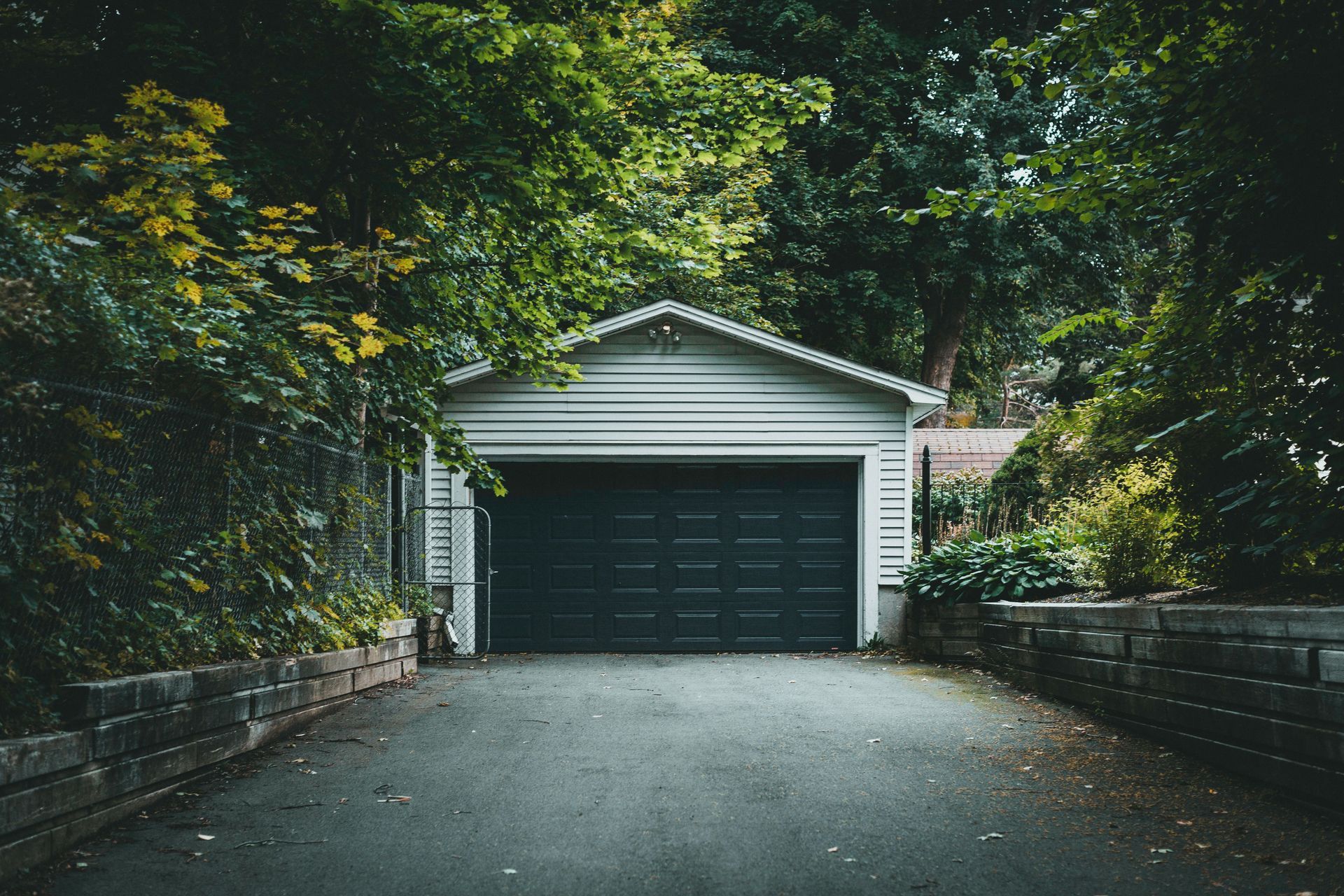
This is the most common style found in many residential neighborhoods. It features symmetrical rectangular panels that provide a clean, classic look. These doors are incredibly versatile and work well with almost any home style, especially traditional ranch or two-story suburban houses.
Carriage House Designs
For those looking to add a touch of rustic charm or historical accuracy, carriage house doors are an excellent choice. They mimic the look of old stable doors that swing outward but operate on a standard overhead track. They are particularly popular for Craftsman-style homes in Davis and older sections of Woodland.
Contemporary and Modern Styles
If your home features clean lines, large windows, and a minimalist aesthetic, a contemporary garage door is the way to go. These often use materials like tempered glass, aluminum, or sleek, flush-mount steel panels. They are perfect for modernizing an older home or completing a new high-end build.

How do you select the right garage door color?
Color is perhaps the most subjective part of choosing the right garage door , yet it has the biggest immediate impact on curb appeal. The goal is usually to either complement the existing color palette of your home or provide a bold, intentional contrast.
For homeowners in the Yolo County area, we recommend following the "60-30-10" rule of exterior design. Usually, the main body of the house is 60%, the trim is 30%, and the accents (like the front door and garage door) make up the final 10%. However, because a garage door is so large, many designers treat it as part of the 30% trim or the 60% main body color to prevent it from becoming an overwhelming eyesore.
Popular Color Trends in 2026
- Earth Tones: Soft beiges, tans, and terracottas that blend with the natural California landscape.
- Modern Grays: Charcoal and slate grays provide a sophisticated, high-end look that hides dirt well.
- Wood Grain Finishes: Achieving the look of real wood with the low maintenance of steel is a top choice for luxury homes.
- Classic White: A timeless option that makes a home look clean, bright, and larger.
- Bold Accents: Deep navy or forest green for those wanting to stand out in a neighborhood of neutrals.
Which material is best for the California climate?
Material choice affects more than just look; it determines how much time you will spend on maintenance and how well the door will insulate your home. At Yolo Garage Door Inc. , we help clients weigh the pros and cons of each material based on their specific needs.
Steel Garage Doors
Steel is the most popular material for a reason. It is durable, relatively affordable, and requires very little maintenance. Modern steel doors come with "sandwich" construction, where insulation is packed between two layers of steel, providing excellent energy efficiency. This is vital for residential garage doors in areas where summer heat can turn a garage into an oven.
Wood and Wood Composites
Nothing beats the natural beauty of real wood. However, wood requires regular staining or painting to prevent warping and rotting, especially with the fluctuating humidity levels in the Central Valley. Wood composites offer a middle ground—the look of wood with the durability of synthetic materials.
Aluminum and Glass
Aluminum is naturally resistant to rust and corrosion, making it a great choice for long-term durability. When paired with glass panels, it creates a stunning modern look. However, aluminum is more prone to denting than heavy-gauge steel, so it may not be the best choice if you have active children playing basketball in the driveway.
Understanding the Importance of Insulation (R-Value)
In Woodland, the temperature can swing significantly between day and night. An insulated garage door acts as a thermal barrier. The "R-value" measures the thermal resistance; the higher the R-value, the better the door is at keeping heat out in the summer and warmth in during the winter. If your garage is attached to your home or if you use it as a workshop or gym, investing in a door with an R-value of 12 or higher is highly recommended.
Choosing Between Different Garage Door Operations
How your door moves is just as important as how it looks. The "operation" refers to both the physical track system and the motorized opener that drives the door. When Woodland garage door repair specialists visit your home, they often look at the headroom and side room available to determine which system is most compatible.
Sectional vs. Roll-Up
Most residential homes use sectional doors, which consist of panels connected with hinges. As the door opens, the wheels at the edge of each panel roll inside a vertical track. For commercial garage doors , roll-up designs are more common, as they save overhead space and are built for heavy-duty, high-frequency use.
Selecting the Right Opener Drive
- Chain Drive: The most traditional and economical option. It is very strong but can be noisy, which might be an issue if there is a bedroom above the garage.
- Belt Drive: Uses a rubber-reinforced belt. It is incredibly quiet and smooth, making it the gold standard for modern homes.
- Screw Drive: Uses a threaded steel rod. It has fewer moving parts and requires less maintenance but is less effective in regions with extreme temperature shifts.
- Wall-Mount (Jackshaft): Mounts on the wall beside the garage door rather than the ceiling. This is perfect for homes with high ceilings or those wanting to maximize overhead storage.
What are the must-have safety features in 2026?
Modern technology has made garage doors safer than ever. When choosing a new system, ensure it includes:
- Auto-Reverse Sensors: Standard since the 90s, these stop the door if an object or person breaks the light beam.
- Mechanical Reversal: The door should automatically reverse if it hits a physical obstruction.
- Smart Integration: High-end openers now allow you to monitor and control your door via smartphone, providing alerts if the door is left open.
- Battery Backup: Essential for California residents during power outages, ensuring you aren't trapped inside or outside your garage.
- Pinch-Resistant Panels: Designed to push fingers out of the way as the panels fold.

What is the typical budget for a new garage door installation?
Budgeting for a garage door involves two costs: the door itself and the professional installation. While it might be tempting to view this as a DIY project, the high tension of the springs makes it one of the most dangerous tasks for a non-professional.
In the current market, prices can vary widely based on materials and features:
- Economy ($800 - $1,500): Basic single-layer steel doors without insulation. Functional and clean, but lacking in thermal efficiency.
- Mid-Range ($1,500 - $3,500): Double or triple-layer insulated steel doors with decorative windows and upgraded hardware.
- Premium ($3,500 - $8,000+): Custom wood doors, high-end glass/aluminum contemporary designs, or specialized architectural replicas.
Return on Investment (ROI)
According to national remodeling data, garage door replacement consistently ranks as one of the top home improvement projects for ROI. Homeowners often recoup 90% or more of the cost at the time of sale. In the Woodland and Davis markets, a stylish new door can significantly decrease
Quick and Reliable
We are available 24/7 via fax, email or telephone